
Algemeen 255 kilometers of racing at Il Lombardia: this is how we fuel
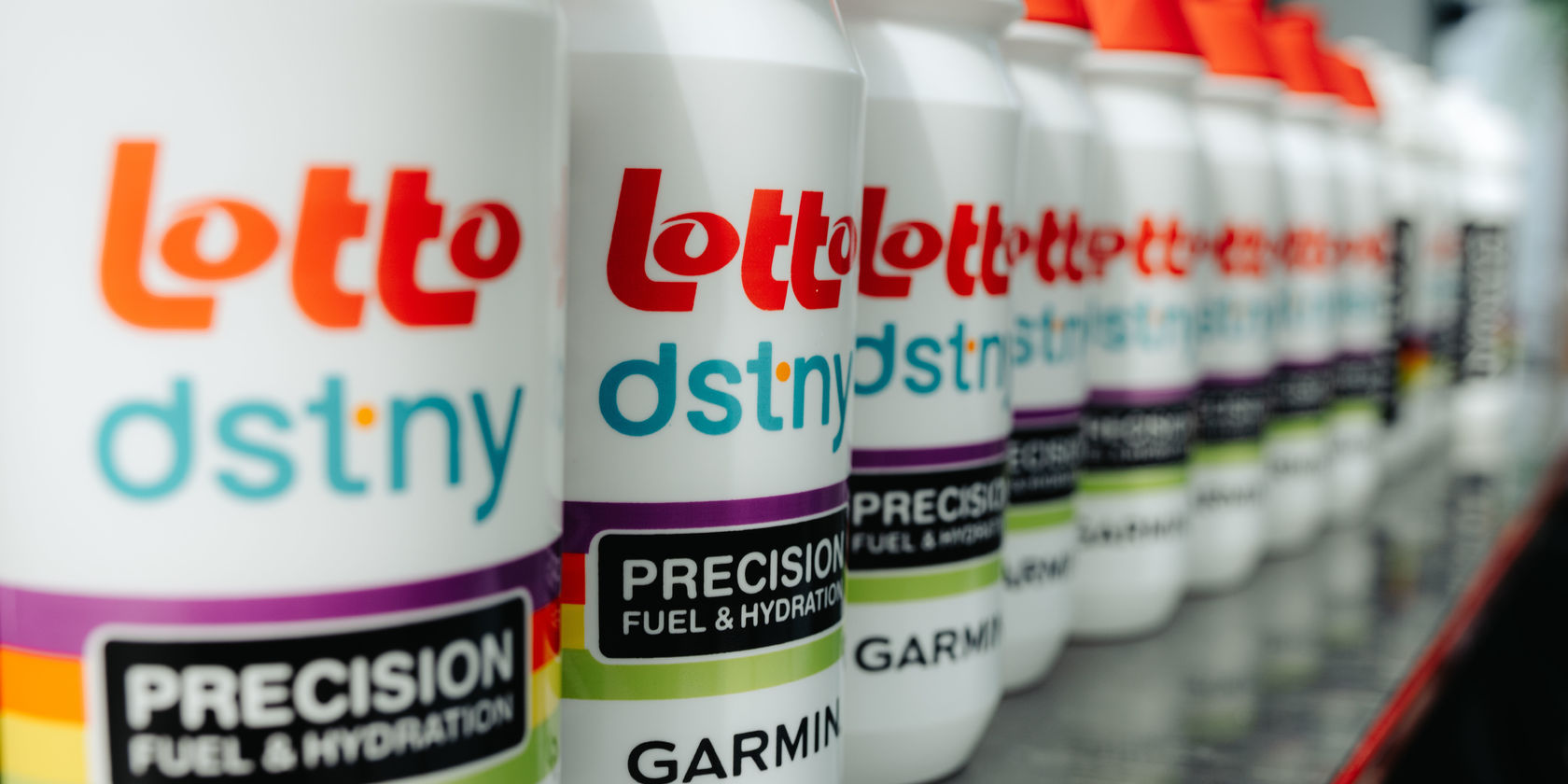
When the riders line up at the start in Bergamo, they know they have 255 kilometers of racing ahead of them—over six hours of competition. "By that time, we’ve already had a solid breakfast—usually oatmeal or rice pudding—and a pre-race snack from Precision Fuel & Hydration," explains Lotto Dstny rider Sylvain Moniquet. "If the team plans to send me into the breakaway, I’ll take a caffeine gel from Precision before the race."
Of course, the preparation for a race starts much earlier. Each rider follows a carefully tailored daily nutrition plan. "The day before the race, we maximize the riders’ muscle glycogen by increasing their carbohydrate intake, commonly known as carb-loading," says Lotto Dstny nutritionist Lara Van Genechten. "We make sure the riders are fully fueled for the day."
Given the length of the race, monuments often start early. This means adjusting breakfast timing, or some riders might opt for a smaller breakfast combined with a pre-race snack. "Precision FH chews and gels are particularly handy because they contain simple carbohydrates that can quickly replenish muscle and liver glycogen," Van Genechten explains. "They’re perfect for optimizing carbohydrate levels. We always consider the riders' preferences. Someone aiming for a breakaway might prefer a caffeine gel as their pre-race snack."
Naturally, the fuel tank needs constant refilling during the race. Six hours of racing is no small feat. Sylvain Moniquet explains: "We have the day's schedule taped to our handlebars. It shows us the intervals at which we should drink each bottle. Bottles with red caps contain carbohydrates and electrolytes, again from Precision FH. Those with white caps contain just carbohydrates, and blue caps are water. Our intake is determined based on our sweat analysis. The schedule also includes chews and gels, so we know exactly when to consume what during the race. Typically, we start with solid foods and switch to liquids later on."
Nutritionist Lara Van Genechten adds: "We always create a nutrition strategy. We look at the race profile and decide the best moments to take caffeine to peak at critical points in the race. For Lombardia, for instance, we’re planning for Lennert Van Eetvelt to peak at the last major climb. That’s not the finale, but it’s where the race could explode, making it crucial. We know that caffeine takes about 45 minutes to an hour to work optimally. So, we can time it perfectly for such moments."
After the race, it’s time for recovery—a shake, a recovery meal to replenish the calorie deficit. "It’s a constant process of calculating and recalculating," Van Genechten concludes. "Only this way can we keep the riders fit throughout the year."
Picture: Brecht Steenhouwer
